The Art of Protecting Your Energy While Caring for Others
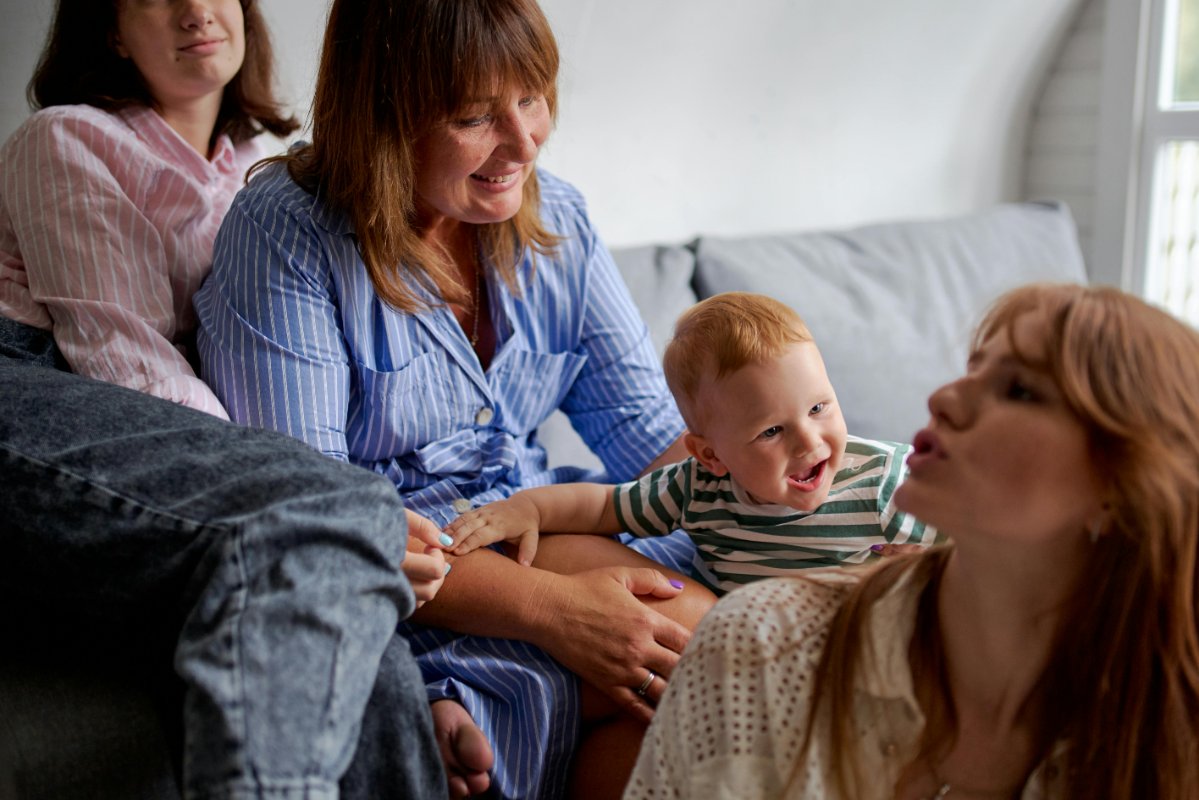
It’s the end of the day. You’ve checked off to-do lists, managed crises ranging from mini meltdowns to work deadlines, all while regulating the spoken and unspoken emotions of those closest to you. Your work is high-quality, your children are settled, and your partner feels supported. You’ve made it so everyone feels seen, valued, and well cared for.
You pause - for the first time all day. You feel the familiar fatigue. No matter how rested you are, you feel exhausted. All day long, you gave your energy and attention to everyone - except you.
You are not alone.
Many women are well-practiced at caring for others while their own needs quietly fade into the background. Some women are so attuned, adept, and conditioned to care for others that they no longer recognize their own needs.
I invite you to pause and consider some ways to restore your energy so that you are not solely caring for others, but also yourself.
Self-Care: Setting the Foundation for Sustainable Care giving
What empowers your nervous system to perform at its optimal range? Answering this question is the key to your personalized self care routine. Small consistent practices that encourage you to experience care sets you and your loved ones up for success. Try practicing these small steps that can become rituals to start and end your day:
While 20 minutes is optimal, meditating for five to ten minutes enables you to quiet your mind and ground yourself in your body.
Journaling helps clear mental clutter and restore clarity.
Practicing mindfulness such as pausing to enjoy a quiet moment with your favorite tea or coffee helps you check in with yourself.
Engaging in a transitional activity to close the day and mark a natural boundary, like a walk after work or a shower allows your body to release stress that has been held all day.
These practices don’t need to be perfect or daily to be effective. Being consistent over time matters more than doing them “right.”
Co-Regulation: Protecting and Teaching Emotional Resilience
Co-Regulation, the practice of using your own calm, regulated nervous system to help another person feel safe, grounded, and emotionally supported, is a wonderful tool that restores emotional balance. You’re likely familiar with the scenarios: a tense meeting, your child nearing meltdown, your partner spiraling. Before responding:
Center yourself briefly first. Take a few deep breaths, visualize a favorite place, do a mini-meditation, pray, or do something that grounds you.
Validate their experience using a calm tone. Resist getting caught in their storm. Instead, bring your own stillness and regulated self to the situation. “I can see that this is upsetting for you.”
Invite them into a brief grounding moment. You can say, “Before we go further, can we take a pause together?” This can be a hand squeeze; a hug, for children especially; a slow breath together; or pausing in a meeting for a moment. The goal is to engage in a moment of calm together to reset nervous systems, yours and theirs.
Reflect on the experience. You can ask, “How did it feel for us to pause together?”
Letting Go: Releasing What Is Not Yours to Carry
Women are often naturally emphatic or have been conditioned to be attuned to others' needs, which is a gift. Many of us, however, internalize the thoughts, feelings and needs of others, carrying emotional weight that does not actually belong to us. You can protect your energy by noticing and lovingly letting go of what belongs to others. This can take the form of:
The moods, stressors, or emotional states of others
Outcomes of situations beyond your control
Perceived criticism or judgment
Recognize when you are holding something that does not belong to you and gently release it. You can use an affirmation such as, “I release what does not belong to me.” By bringing awareness and affirming this out loud, you can shift the energy from reactive to rooted. Returning emotional responsibility also communicates trust in their ability to navigate difficult moments.
Celebration: Giving Yourself Flowers
We can often neglect to acknowledge how much we do and how well we do it. Each day, pause for a few minutes and explore the following:
Journal three things you are really proud that you were able to accomplish that day. It does not have to be a completed task, but instead an accomplishment. For example, you may have set an important boundary at work. Celebrate that.
Share with a trusted listener an achievement that you feel proud of. It’s important to embrace processes rather than finished products. For example, you can celebrate that you got through your day without losing yourself in others’ emotional dramas.
Get yourself your flowers in appreciation for all that you do. Literally, buy yourself your favorite flowers and display them in your home to celebrate yourself.
Protecting your energy while caring for others is not only possible, it is transformative. By prioritizing self care, practicing co-regulation, and regularly observing and replenishing your own energy, you can better care for yourself, your colleagues, and your loved ones in ways that are sustainable, caring, and joyful.
Start small. Select one practice that feels doable, practice it, and notice how this impacts your own energy levels. Remember: your calm is contagious; your presence is powerful; and your energy is sacred.
Find the right therapist — for free
A real licensed clinician personally matches you with a therapist who fits your needs. No cost, no algorithms.
Get Matched FreeTopics covered:
Looking for a clinician who specializes in these areas? Search our directory →
Written by
Camile Gayle, LCSWLicensed Clinical Social Worker, New York and Florida
Camile S. Gayle, LCSW, is a licensed clinician who works with adults and couples across life stages to build emotional resilience. A proud member of the Curated Therapy Collective, she is based in West Palm Beach and offers individual, couples, and group sessions across New York and Florida.
View Full ProfileClinicians Who Specialize in This Topic



Related Articles



You might also find helpful:
Anxiety Therapy in Florida
Find a therapist who specializes in anxiety, worry, panic, and stress.
Read moreHow to Find the Right Therapist
A step-by-step guide to finding a therapist who truly fits your needs.
Read moreTherapists in Miami
Find clinician-matched therapists serving Miami and Miami-Dade County.
Read more