How Menopause Steals Your Sleep (And How to Take It Back)
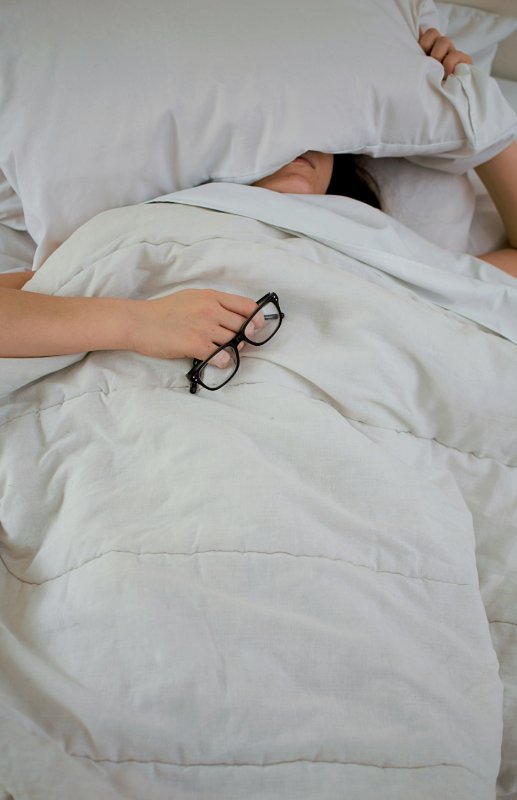
If you're a woman over 40 who finds herself staring at the ceiling at 3 AM, you're far from alone. The connection between hormonal changes and sleep disruption is real, powerful, and—most importantly—manageable.
The Hormone-Sleep Connection You Need to Understand
Here's something that might surprise you: hormones have been impacting your sleep since puberty. But understanding exactly how they work can be empowering. Think of estrogen as your "fall asleep" hormone and progesterone as your "stay asleep" hormone. During perimenopause, progesterone levels fluctuate wildly, which explains why so many women can fall asleep fine but wake up in the middle of the night unable to get back to sleep.
Add hot flashes to the mix—waking up drenched in sweat, desperately trying to cool down—and you've got a recipe for seriously disrupted sleep. While hot flashes typically calm down after menopause, low progesterone can continue making those normal nighttime awakenings feel more prominent and harder to overcome.
Your Worst Enemy Might Be Your Own Reaction
Here's where things get interesting: often, our fear and frustration about not sleeping cause more problems than the actual wakefulness itself. When you wake up at 2 AM and immediately spiral into anxiety—worrying about how terrible tomorrow will be, catastrophizing about long-term health consequences—your body responds with a full fight-or-flight reaction. Adrenaline floods your system, and you're essentially wiring yourself to stay awake longer.
The solution? It's counterintuitive but crucial: accept that some waking is normal and expected. Instead of lying there in distress, do something distracting like reading. Keep your mind in neutral territory, and you'll actually fall back asleep faster. Think of anxiety like a toddler's tantrum—oftentimes letting it blow over works better than trying to negotiate your way out of it.
Looking for the right therapist?
CTC's free concierge matching connects you with a clinician who gets it.
Get Matched FreeThe Sleep Schedule Mistake Almost Everyone Makes
When sleep is elusive, it's natural to think that going to bed earlier to "frontload" sleep will help you compensate for anticipated nighttime waking. Don't do it. This strategy backfires by spreading your sleep out over more hours, which actually ensures you'll have time awake during the night. Stick to your normal schedule instead. Any lost sleep creates sleep pressure for the next night that helps shorten those awake periods naturally.
Treatment Options: From HRT to High-Tech Solutions
The conversation around hormone replacement therapy (HRT) has evolved significantly, and it can be genuinely life-changing for many women. If your doctor dismisses your sleep complaints, it might be time to find a new doctor. SSRIs can also be remarkably effective for managing sleep disruption and vasomotor symptoms (hot flashes) related to menopause.
As for supplements like magnesium, L-theanine, GABA, or ashwagandha—think of these as sleep enhancers rather than knockout pills. They won't necessarily sedate you, but they can help you relax and improve overall sleep quality. CBD oil is another option with proven benefits for sleep quality, though again, it won't put you to sleep like a sleeping pill would. Always talk to your doctor before taking supplements, however, especially if you take other medications.
For temperature management, the options range from low-tech to high-tech: moisture-wicking sleepwear, cooling mattress devices, cold pillows, ice packs on the forehead, or hot water bottles at the feet.
Why CBT-I Changes the Game
Cognitive Behavioral Therapy for Insomnia (CBT-I) addresses something medications can't: the underlying causes of your insomnia. When you take a sleeping pill, you're treating the symptom of sleeplessness, but the root problem persists. And insomnia often returns when you stop taking sleep aids, sometimes worse than before. CBT-I combines behavioral changes that reboot your sleep clock with cognitive strategies that help you manage anxiety and correct the misconceptions that keep the problem alive.
The results are impressive: CBT-I often works in just 4-8 sessions and can help people eliminate sleep aids from their routine entirely. For women dealing with menopause, the combination of HRT and CBT-I can be particularly powerful. By the time many women seek hormone therapy, they've developed coping behaviors that actually perpetuate sleep problems. Medication alone won't fully address these issues, but combined with CBT-I, the results can be genuinely life-changing.
The Bottom Line
Menopause and perimenopause may well affect your sleep—that's just biology. But suffering through it isn't inevitable. Whether through medical interventions like HRT, behavioral changes through CBT-I, better sleep hygiene, or a combination of approaches, there are real solutions available. The key is understanding what's happening in your body, adjusting your expectations about nighttime waking, and responding to sleep disruption in ways that help rather than hurt.
Most importantly: your concerns are valid, your symptoms are real, and you deserve support in addressing them. If you're not getting that support from your healthcare provider, it's time to find someone who takes your sleep—and your quality of life—seriously.
Find the right therapist — for free
A real licensed clinician personally matches you with a therapist who fits your needs. No cost, no algorithms.
Get Matched FreeTopics covered:
Looking for a clinician who specializes in these areas? Search our directory →
Clinicians Who Specialize in This Topic




Related Articles

As Busy Adults, How Do We Actually Get to Bed on Time?

The American Glitch: Why We're Tired, Wired, and Stuck in a Stress Loop
You might also find helpful:
Anxiety Therapy in Florida
Find a therapist who specializes in anxiety, worry, panic, and stress.
Read moreHow to Find the Right Therapist
A step-by-step guide to finding a therapist who truly fits your needs.
Read moreTherapists in Miami
Find clinician-matched therapists serving Miami and Miami-Dade County.
Read more